MODULE 00 // REQUIREMENTS DESK, CENTENNIAL CO
Know exactly what to ask for, and who to ask.
Information Requirements is a Colorado research firm. Before anyone writes to an agency, we work out what information exists, which custodian holds it, and what a request has to contain before it will be answered. The output is a requirements map: the sources, the identifiers, the correct custodian, the statutory clock and the delivery format.
| Question | What exists on the subject, and where does it live? |
|---|---|
| Custodian | The division, the records officer and the channel that office actually monitors |
| Identifiers | Series, date range and a document description specific enough to action |
| Clock | The response time that applies, and the route if the office goes quiet |
| Format | How the answer should arrive, and the checks it must pass on arrival |
From records inventory to the delivery specification.
The categories a requirements map usually covers.
One map per engagement: sources, custodian, clock, format.
MODULE 01 // THE BOUNCE
Requests fail before they are written
Most requests that come back incomplete were never really rejected. They were sent to the wrong office, described a document that does not exist in that form, asked for a range no index covers, or arrived without the identifiers the custodian needs to run a search. We fix that part first.
A records custodian answers the request in front of them. If the request is vague, the answer is vague, or there is no answer at all. The work before the work is knowing which series holds the information, how far back the public index runs, who the records officer is, and what the written request must say so it can be actioned instead of bounced.
That is the whole job of this desk: turn a question into a request that a specific office can act on, and set expectations for the clock, the redactions and the format before anything is sent.
MODULE 02 // SERVICES
Five workstreams, one map
Each workstream ends in writing you can keep: a list, a name, a specification, a timeline or a checklist. Run together, they form the requirements map.
Records inventory
What is likely to exist for your question, which series it belongs to, and how far back the public index runs.
Open → 02Custodian identification
The office that actually holds the record: the division, the records officer, and the correct channel for a written request.
Open → 03Request requirements
The identifiers, date ranges and document descriptions a request needs so it can be actioned instead of bounced back as too vague.
Open → 04Deadline and appeal mapping
The response times that apply, what happens if a custodian goes quiet, and the escalation route available to you.
Open → 05Delivery specification
Format, structure and completeness checks, so what arrives is usable rather than a folder of unsorted scans.
Open →MODULE 03 // COVERAGE
What a requirements map covers
Eight classes of detail go into the document. Not every engagement needs all eight; every engagement says which ones it covers.
Scroll horizontally — drag, swipe or use arrow keys
MODULE 04 // METHOD
How the map is built
Five passes, in this order. Every line in the finished map points at a source you could check yourself.
Fix the question
We restate what you actually need to know, in one sentence, and agree the boundaries: which subject, which period, which jurisdiction.
Inventory the sources
Which record series could hold the answer, which indexes are public, and how far back each one runs.
Identify the custodian
The specific office, division and records officer, plus the channel that office monitors for written requests.
Specify the request
Identifiers, date ranges and document descriptions written so the request can be actioned on the first pass.
Map the clock and the format
Response times, the escalation route if the custodian goes quiet, and the delivery format the answer should arrive in.
MODULE 05 // JURISDICTIONS
Colorado and federal records, other states on request
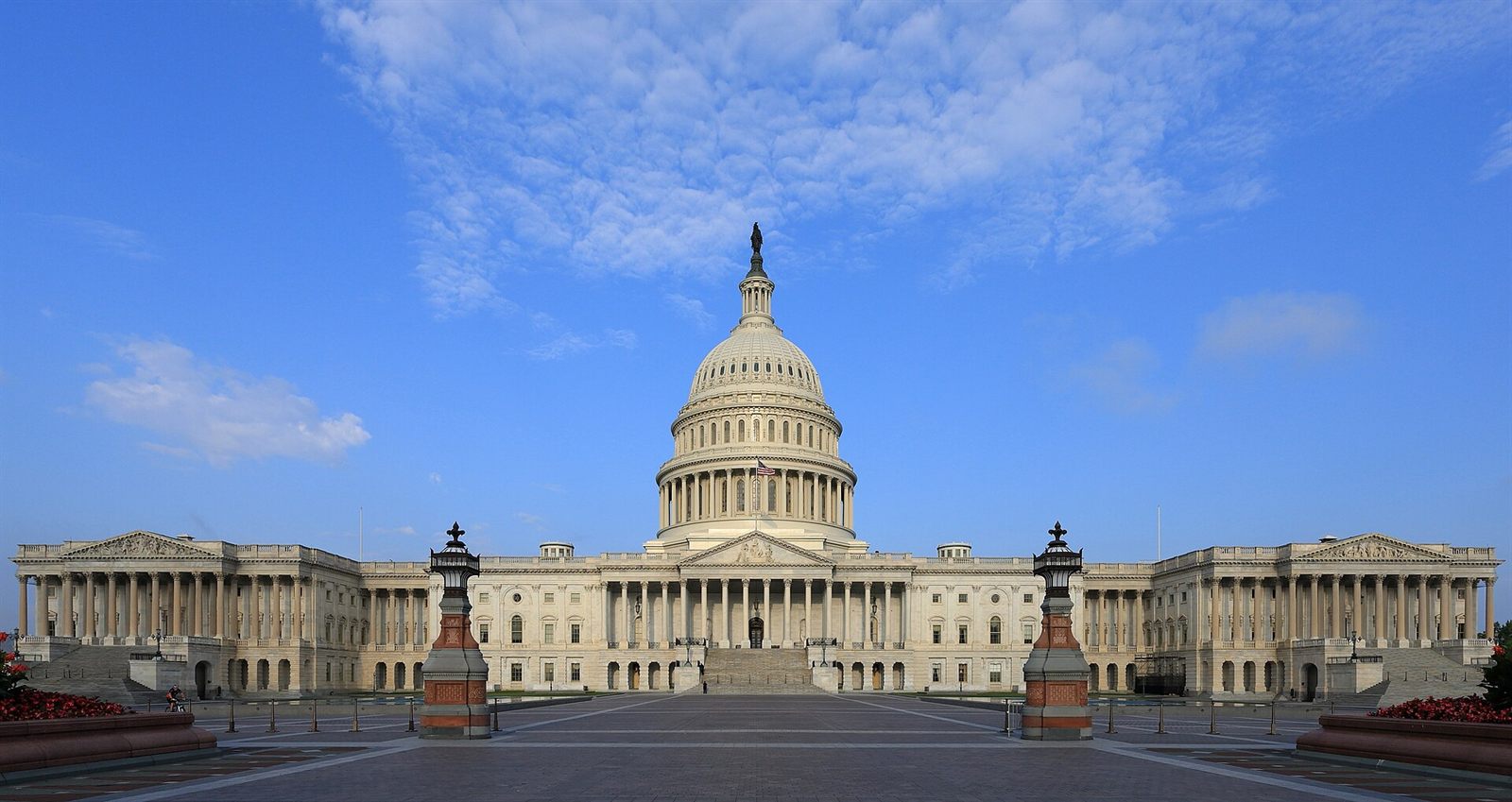
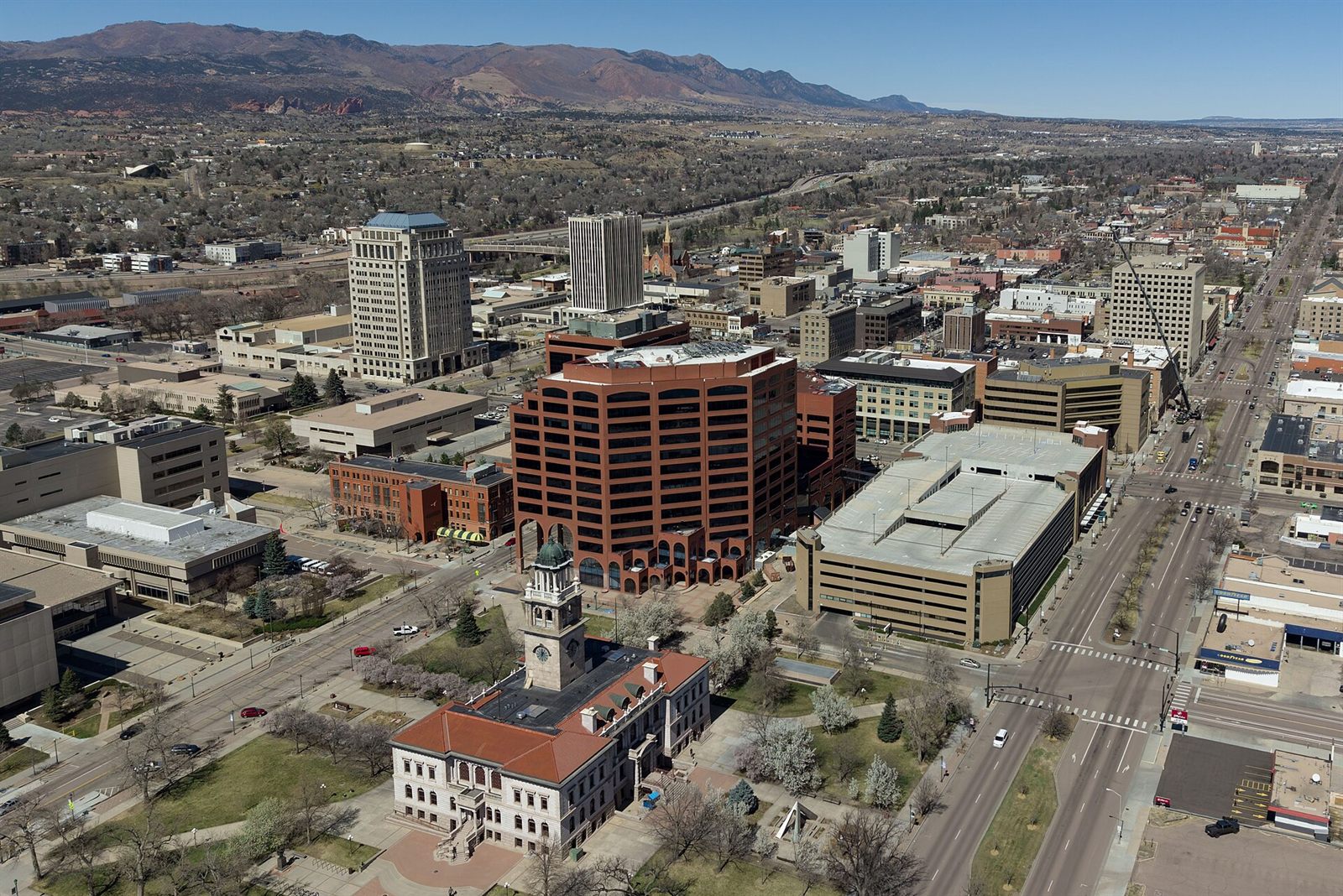
The desk works from Centennial, Colorado. State and local custodians across Colorado and federal agencies are the core coverage; research in other states is taken on when the custodian publishes a usable index or a clear request channel.
MODULE 06 // THE DESK
Where the data actually lives
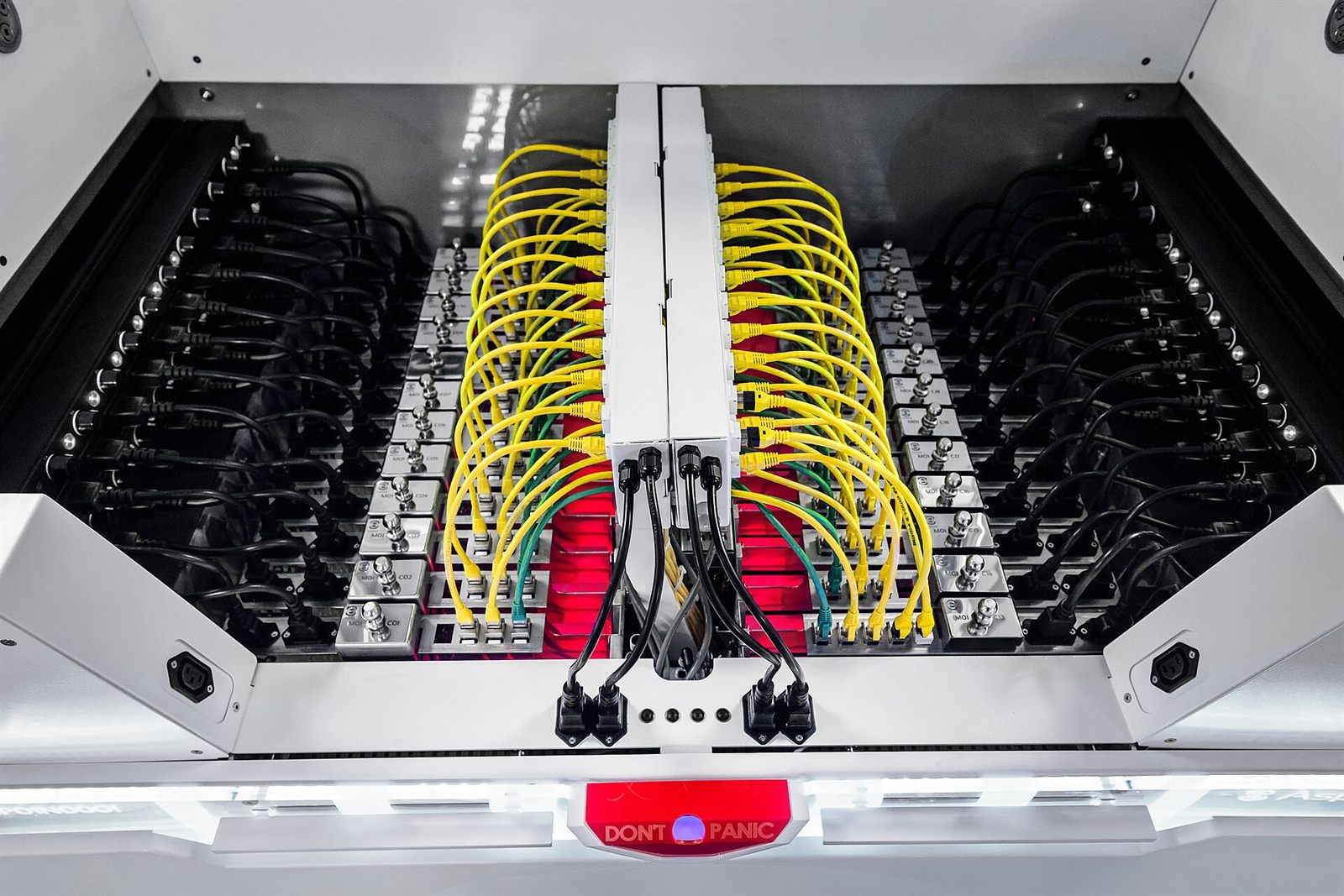
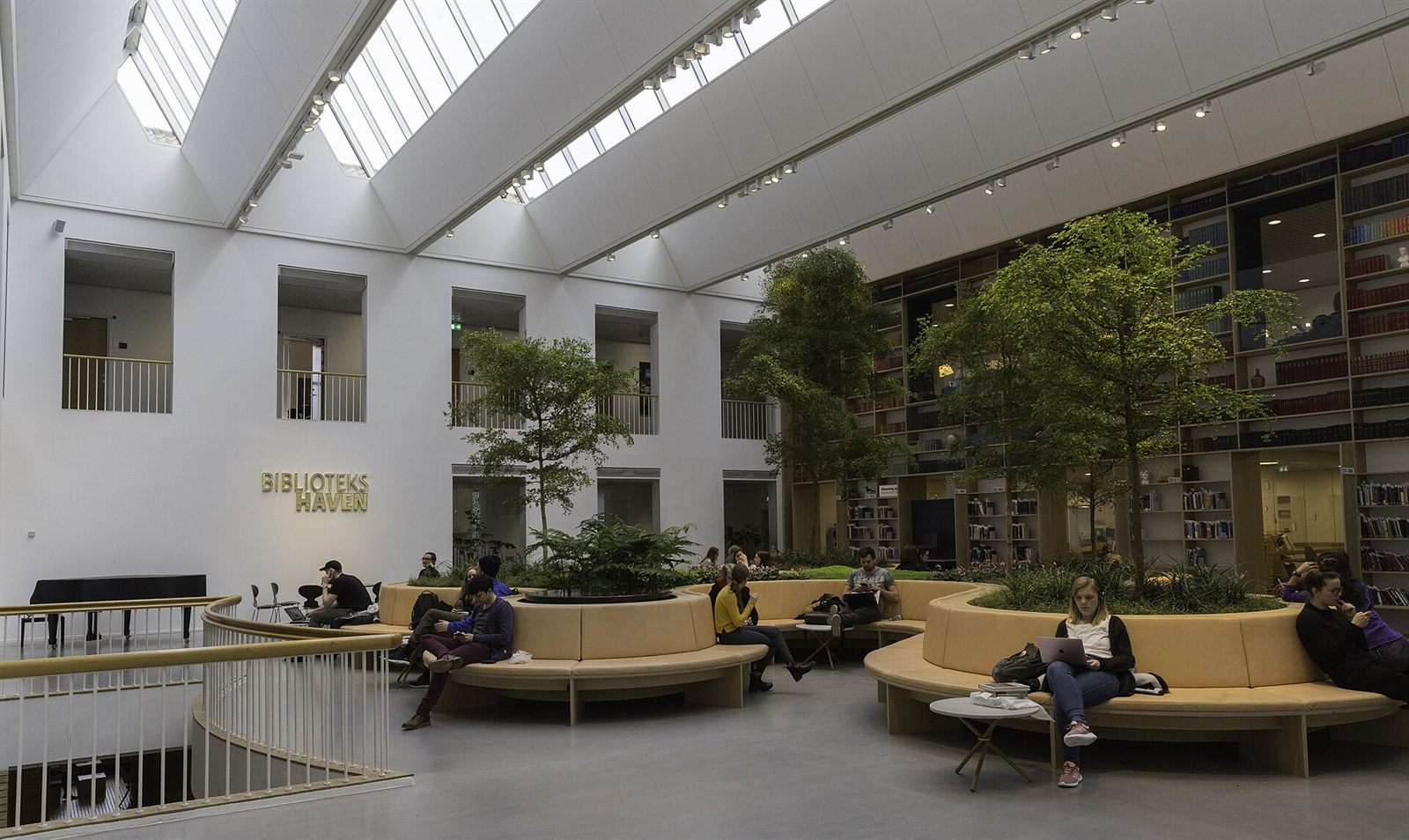
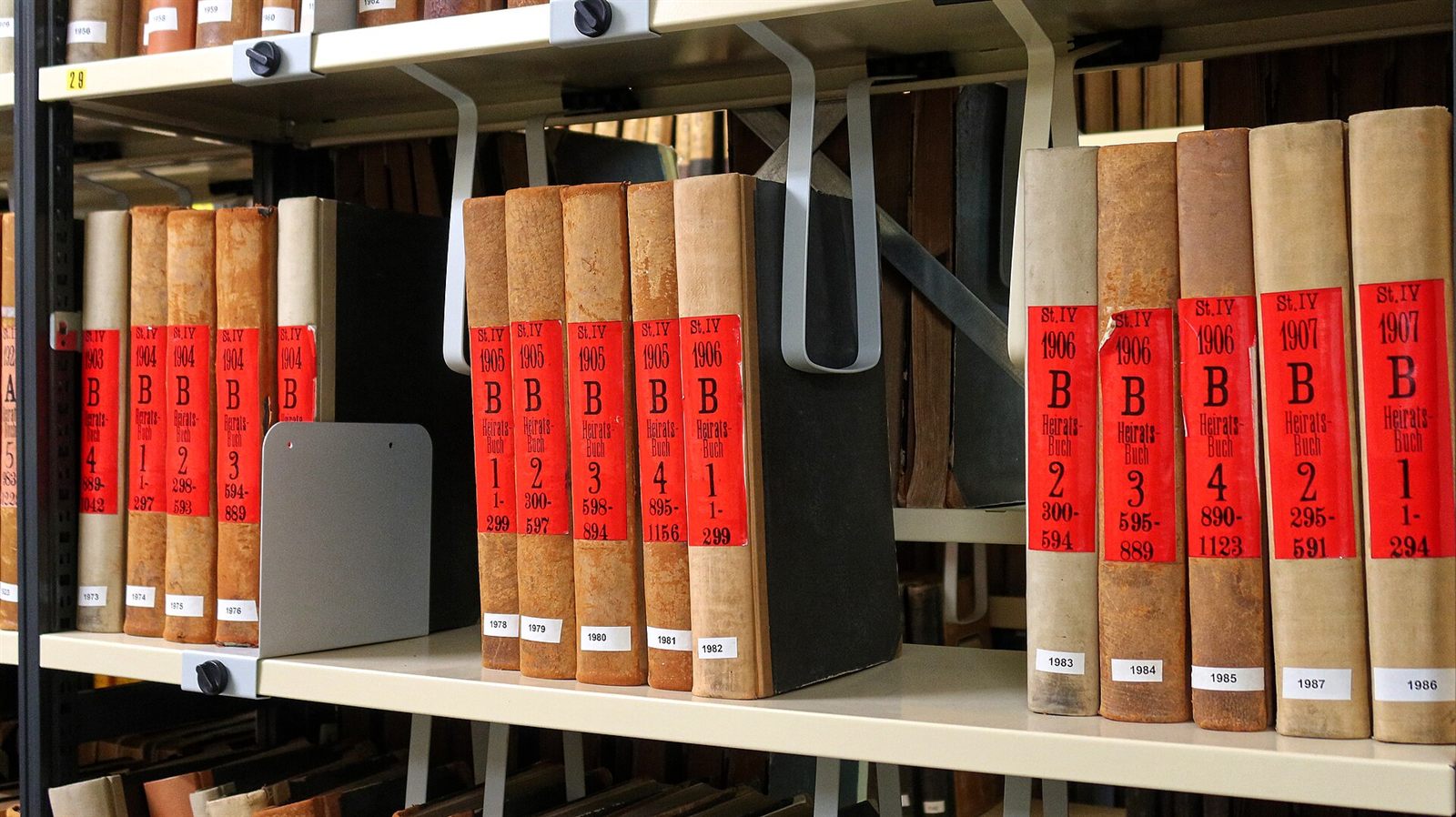
Some of what you need sits in a database behind a public search page. Some sits on shelving, in a ledger, or on microform that only one office can read. Part of the map is knowing which of these you are dealing with, because it changes what you ask for and what format the answer can realistically arrive in.
Who this is for
- Researchers and journalists building a story or a study
- Small businesses checking what a public file shows before a contract is signed
- Attorneys' support staff preparing a records pull
- Anyone whose request keeps coming back incomplete
you@yourdesk:~$ ./ask --question "what exists, and who holds it?"
Send the question. Get the map.
Tell us what you are trying to find out and who you have already tried. You will hear back from Kariel Bennett, usually within one business day, with an honest read on whether the information is obtainable.