MODULE 01 // SERVICES
Five workstreams, one requirements map
You can run the whole sequence or start at the point where your request is stuck. Either way the output is the same kind of document: sourced, specific, and honest about what cannot be found.
SVC 01 // RECORDS INVENTORY
What exists, and how far back it goes
Before anyone is written to, we list what is likely to exist for your question. Which record series could hold it, which of those series have a public index, and how far back each index actually runs — not how far back the office was founded, but how far back the searchable record goes.
- The series that plausibly answer the question
- Which indexes are public, and their date coverage
- What is held only in paper, ledger or microform
- What almost certainly does not exist, and why

SVC 02 // CUSTODIAN IDENTIFICATION
The office that actually holds it
"The county" or "the agency" is not a custodian. A division is, and within it a records officer, reachable through a channel that office actually monitors. We find the specific office, confirm it still holds the series, and identify the correct route for a written request — portal, email address or postal route — including where a successor office took the records over.
- The division and office that hold the series
- The records officer or request contact, where published
- The channel monitored for written requests
- Successor custodians after reorganisations
SVC 03 // REQUEST REQUIREMENTS
Words that survive contact with a clerk
This is the core of the map: the identifiers, date ranges and document descriptions a request needs so it can be actioned instead of bounced back as too vague. We write the description the way the custodian's own index is organised, using the names, numbers and ranges that a search can actually run against.
- Identifiers the custodian's index can search on
- Date ranges matched to real index coverage
- Document descriptions in the series' own vocabulary
- What to leave out so the request stays narrow enough to answer
SVC 04 // DEADLINE AND APPEAL MAPPING
The clock, and what happens when it stops
Every custodian works to a response time, and every silence has a next step. We map the response times that apply to your request, what to do if the office goes quiet past them, and the escalation route available to you — described as published, in plain language. We are not a law firm and we do not give legal advice; where a step needs a lawyer, the map says so.
- The response time that applies, and its source
- Extensions and what triggers them
- The escalation route if the custodian goes quiet
- Redaction categories to expect, and their usual basis

SVC 05 // DELIVERY SPECIFICATION
An answer you can actually use
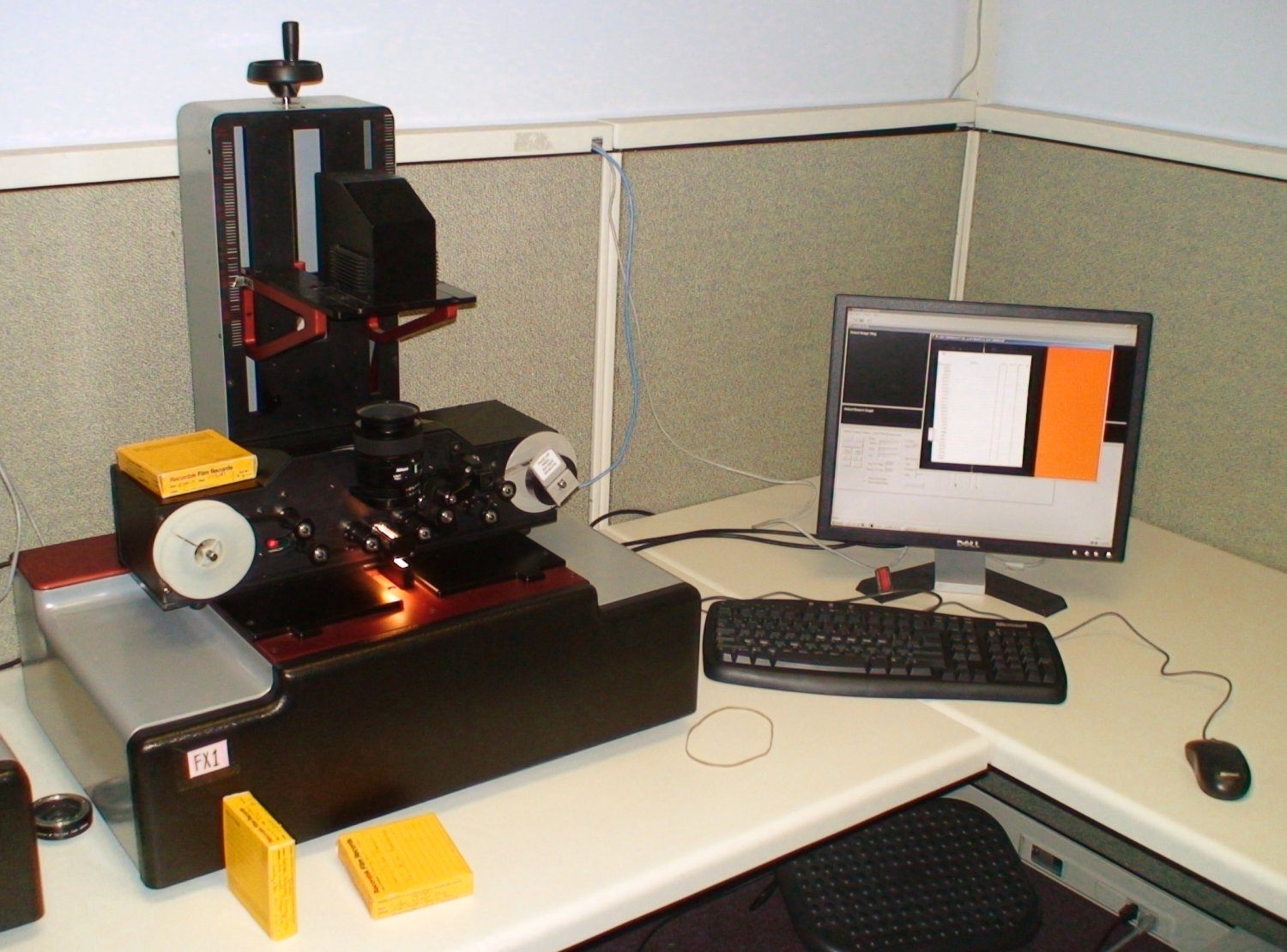
A fulfilment that arrives as a folder of unsorted scans is not an answer. We specify the format, structure and completeness checks up front — native files or scans, how pages are ordered and named, what a complete set looks like — and we check what arrives against that specification, listing the gaps rather than hiding them. For older material we note when the source is microform or ledger, because that constrains the format the custodian can deliver.
- Format and structure agreed before the request is sent
- Ordering and naming rules for what comes back
- Completeness checks against the inventory
- Format constraints of microform and ledger sources
SVC 06 // COVERAGE
What goes into the map
The eight classes of detail a requirements map can carry, across Colorado and federal records, with other states on request.
Scroll horizontally — drag, swipe or use arrow keys
Custodians may publish their own fee schedules for copies; where they do, the map records what the custodian publishes so nothing arrives as a surprise. This site itself takes no payments.
you@yourdesk:~$ ./map --scope "my question"
Not sure which workstream you need?
Describe the question and where you are stuck. We will tell you which part of the map is missing, and whether we are the right desk to build it.